
Tajweed Basics — 7 Simple Rules for Beginners
Introduction
Tajweed makes recitation correct and beautiful. These seven practical rules are the best starting point for beginners — each rule includes a simple practice you can do in every Tajweed lesson.
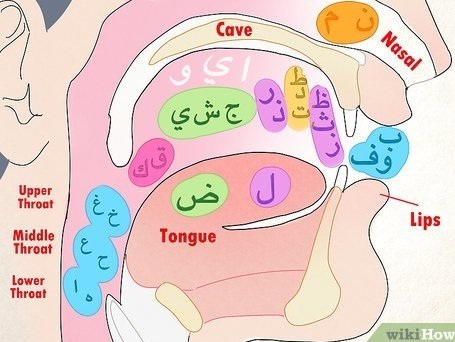
1. Makharij (letter points)
Learn where each Arabic letter is pronounced (throat, tongue, lips). Practice: read a short page focusing only on one letter’s sound.
2. Sifaat (letter qualities)
Understand qualities like heavy/light and breathiness. Practice: compare similar letters (ص vs س) and feel the difference.
3. Madd (vowel lengthening)
Know when to lengthen (madd) and for how long. Practice: pick a verse with madd and read it slowly with a metronome.
4. Ghunnah (nasal sound)
Apply the nasal sound on noon and meem where required. Practice: hold ghunnah for two beats on words with noon mushaddadah.
5. Idgham & Iqlab
Learn simple assimilation and conversion rules for paired letters. Practice: highlight words that use idgham and read them repeatedly.
6. Qalqalah (echoing consonants)
Recognize letters that echo and pronounce them with a small bounce. Practice: isolate and repeat words containing qalqalah.
7. Stopping & Connecting (Waqf & Wasl)
Stop and connect correctly to keep meaning intact. Practice reading a verse, stopping at comma points, and then connecting again.
Practice drills (4 quick exercises)
-
- Read a short page focusing on one letter for 5 minutes.
-
- Record and compare your reading with a native reciter.
-
- Mark Tajweed rules in the mushaf before reading.
-
- Use a tutor to get targeted correction on one rule each week.
Conclusion:
Begin with these rules and practice drills to develop accurate and confident recitation. Book a Free Trial to practice with a qualified tutor.
Want to Improve Your Tajweed?
Practice Tajweed with a qualified Quran tutor in one-to-one online classes.